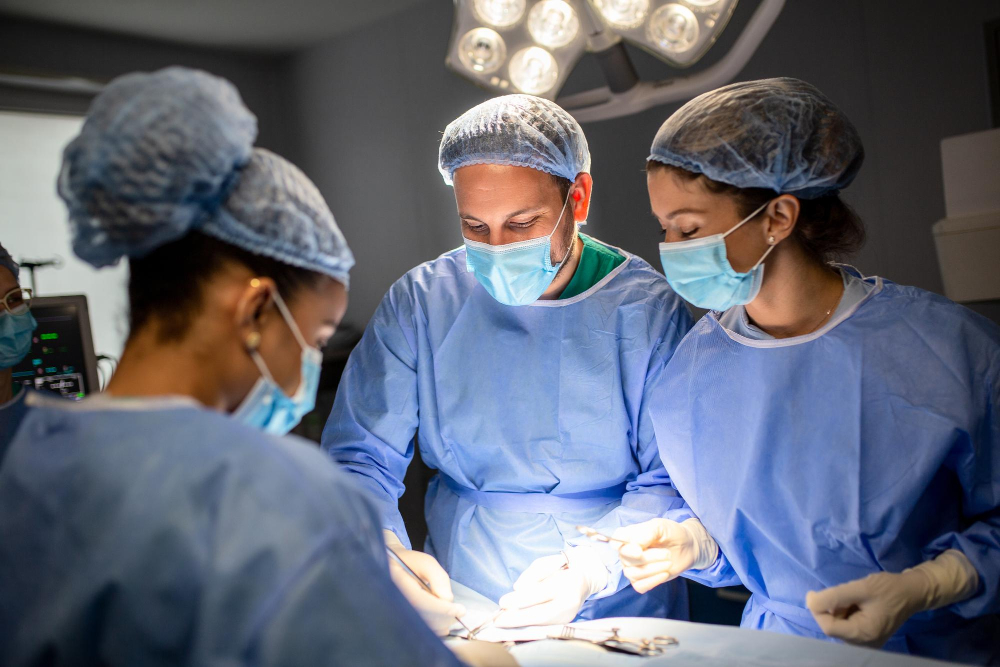
When it comes to a condition that may require surgical treatment such as this, the choice of the correct surgeon is important. When a person has an ongoing abdominal pain, a suspected hernia, piles or another surgical issue, they need to have the ability to obtain a professional who is knowledgeable about the diagnosis and will provide them with suitable treatment.
Individuals looking for the Best General Surgeon in Navi Mumbai would desire to find a surgeon who could assess their symptoms, explain the treatment options and give suitable treatment during the process. Knowing what a general surgeon does, what illnesses he or she treats, and what you should look for when choosing one can make it easier to make a decision.
Patients in Navi Mumbai and the surrounding area, such as Vashi, Nerul, Kharghar, Airoli, Dombivli, and other residential colonies, are seeking surgical consultation on an easy basis for various ailments.
A general surgeon is a doctor who specializes in diagnosing and performing surgery on many conditions involving the abdomen, digestive system, skin, soft tissues, and other areas.
General surgeons can treat a variety of conditions, including piles, lipomas, anal fissures, anal fistulas, gallstones, appendicitis, and hernia.
Treatment will vary based on the diagnosis and may include medication, lifestyle changes, additional testing, surgery, or consultation with another specialist.
Not all conditions need to be treated with surgery. With the correct medical evaluation, the appropriate medical management can be identified for the patient.
Making a decision on a surgeon isn’t all about online ratings or advertising. Patients should take into account the background, experience, communication, and availability of suitable options.
Find a surgeon who has the necessary training and experience to treat the condition you’re interested in. Some surgeons have experience with laparoscopic surgery, hernia surgery, and proctology-related problems.
Inquire about the surgeon’s experience in treating your type of diagnosis and treatment options that could be considered.
The information gathered in a good consultation should consist of an assessment of symptoms, medical history, and relevant examination findings. Additional tests may be recommended when necessary.
The surgeon should communicate the diagnosis, treatment options, expected outcomes, risks, and recovery process in a manner that is easily understood.
Treatment can be open surgery, laparoscopic surgery, or other appropriate surgery, depending on the condition.
For some surgeries, laparoscopic surgery involves small incisions and specialized instruments. While it can provide some benefits like reduced incisions and recovery benefits in certain instances, it is not appropriate for all patients or all conditions.
The best procedure will vary depending on the patient’s general health and the severity of the illness and the surgeon’s assessment of the patient.
Surgical care is not limited to the time immediately after surgery. Wound care, prescribing medication, restrictions on activity, and follow-up appointments may be necessary.
Be sure to find out what you should do with follow-up care and who to call if you have any complications or symptoms get worse before you select a surgeon.
General surgeons treat a wide range of diseases. Knowing what to expect from the surgical consultation will enable patients to make an informed decision if they feel it is the right time.
Hernia
Hernia occurs when the weakened muscle or connective tissue gives way to allow tissue to pass through. May feel as a lump in the groin or abdomen and may be painful, particularly when coughing, lifting, or during exertion.
Treatment will vary depending on the type, size, symptoms, and risk of complications of the hernia. A few hernias can be observed, and others can be surgically corrected.
If the pain is sudden and intense, accompanied by vomiting, and the tummy is swollen or a bulge has become hard or can’t be pushed back, then an urgent medical assessment is necessary.
Gallstones
Gallstones are solid masses that form in the gallbladder. Some people don’t have symptoms; others feel pain in the upper right abdomen and feel sick or uncomfortable after eating.
If a gallstone produces symptoms or complications, a surgeon may suggest additional testing and treatment. In suitable cases, surgery for the removal of the gallbladder is suggested.
Appendicitis
Appendicitis is the inflammation of the appendix, which may require urgent treatment. Symptoms can vary and include abdominal pain, nausea, vomiting, fever, and loss of appetite.
If you have symptoms of appendicitis, you should get a medical evaluation as soon as possible because complications can occur if you do not get the treatment you need.
Piles, fissures and fistulas
Piles (also known as haemorrhoids) are swollen blood vessels in the anal area. They can lead to bleeding, discomfort, itching and/or a lump.
An anal fissure is a tear in the inside of the anus which may be painful when going to the toilet. An anal fistula can form in the area between the skin and the anal canal, usually following an infection or an anal abscess.
Each type of these conditions will have different methods of diagnosis and treatment. A surgeon will be able to evaluate the symptoms and make recommendations for treatment.
Lumps of soft tissue, such as a lipoma.
A lipoma is a lump of fatty tissue which is typically non-cancerous. A lump that grows or becomes painful, changes, or has an uncertain feel should be examined; many do not require treatment.
It is determined by the surgeon whether more testing or removal is needed.
Selected procedures are performed by laparoscopy, which is a minimally invasive surgical technique. It is performed by making small incisions where a camera and special instruments are placed.
Some benefits may be reduced incisions, less discomfort, and shorter recovery time after surgery than some open procedures. However, the results are dependent on the procedure and other clinical and patient factors.
Not all patients are good candidates. Before treatment is selected, the surgeon must give details about the pros, cons, and options.
These are some examples of practical questions that patients can ask to prepare themselves for the consultation:
The following questions can assist patients in understanding their options and making decisions.
If you have a persistent lump, a suspected hernia, recurring abdominal discomfort, a gallstone diagnosis that needs to be assessed, or you have persistent anorectal symptoms and/or a soft tissue lump that is changing, then a surgical consultation should be considered.
If the abdominal pain is severe, increasing over time, there is a lot of blood loss, fever and swelling, or there are other serious symptoms, seek urgent medical attention.
A timely assessment can help to determine the cause of symptoms and if specialist treatment is required.
Dr. Abhijit Bagul is one of the best General Surgeons in Navi Mumbai for surgical consultation. He has over 20 years of experience in general surgery and specializes in gastrointestinal and laparoscopic surgery, hernia and proctology-related ailments.
Those with symptoms that could be signs of hernia, piles, fissures, or fistulas may consult a professional to determine the cause of the symptoms and treatment options.
At a consultation, patients should share details with their doctor regarding their medical history, symptoms, investigation results, and their choice of treatment. This will depend on the person’s diagnosis and health status.
Patients should, when comparing surgeons, also take into account the surgeon’s experience in the field in the relevance to their case, the surgeon’s ability to communicate, treatment facilities and follow-up arrangements.
Seek out an experienced surgeon who is able to communicate, has the appropriate approach, and has the proper follow-up care. When making comparisons, take into account recommendations or proven professional input.
Depending on the clinical experience and training of a general surgeon, treatment may be given for various things, including hernias, stones in gall bladder, appendicitis, piles, fissures, lipomas, etc.
Although there can be benefits to laparoscopic surgery in certain procedures, it is not the most appropriate type of surgery for everyone. This will depend on what the condition is, the patient’s health, and the surgeon’s judgment.
Not all hernias need to be treated with surgery. Treatment is dependent on the type of hernia, and symptoms and risk of complications. A surgeon can recommend whether monitoring or repair is indicated.
The abdomen can become very painful, and the patient may vomit, may have a painful or hard bulge in the hernia, or can bleed or become more swollen, which can be a medical emergency and warrants immediate evaluation.
When dealing with a surgical condition, it is important to choose the right surgeon. Patients should seek to understand their doctor’s relevant qualifications and experience, to be able to communicate clearly, and to have a treatment plan that meets their unique needs.
When looking for the best general surgeon in Navi Mumbai, make sure to understand your diagnosis, ask questions about the treatments available to you, and discuss how you can expect to recover.
If patients have any queries regarding general surgery, hernia, laparoscopic surgery, and proctology, they can consult Dr. Abhijit Bagul. A professional assessment can assess what needs to be done next as a result of your symptoms and condition.
