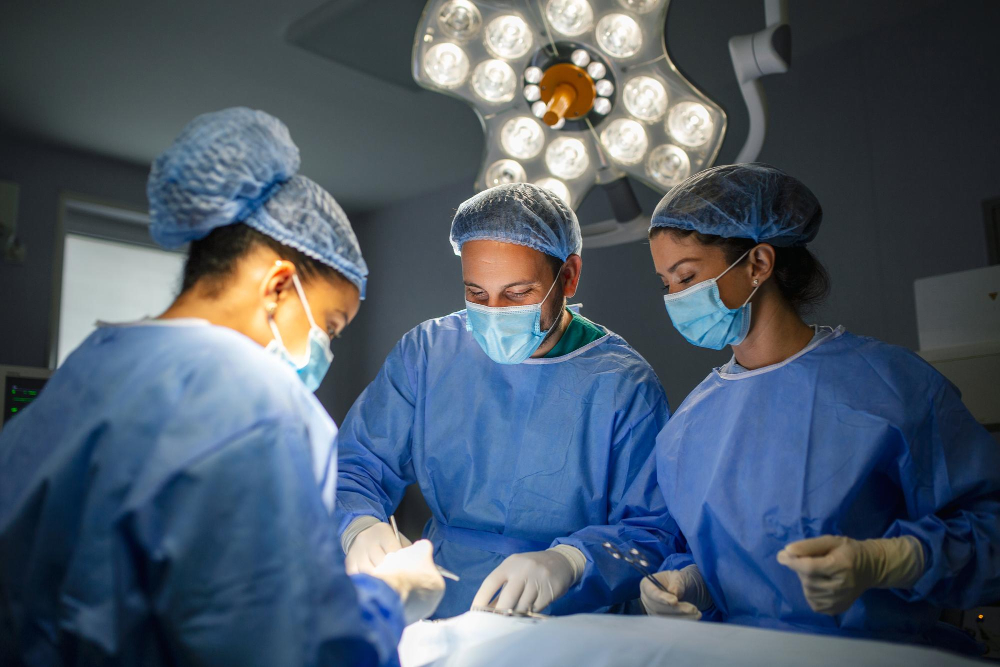
Choosing a general surgeon is a crucial decision you make when you or a loved one requires surgery. If you are having abdominal pain, suffering from a hernia, gallstones, or treatment for piles, fissures, and fistulas, a good surgeon can help you understand your condition and treatment options.
There are several hospitals, clinics, and specialists providing general and laparoscopic surgical services in Navi Mumbai. But when it comes to selecting the best general surgeon in Navi Mumbai, it isn’t just about the ratings you find online. The surgeon’s qualifications, experience, surgical expertise, communication, and approach to patient care are important factors to consider.
This guide covers the types of surgery performed by general surgeons, common surgical procedures, and how to find the right specialist to meet your health needs.
A general surgeon is a doctor who specializes in making diagnoses and performing surgery for diseases of various systems in the body. Usually, they work in the abdomen, digestive system, skin, soft tissues, and the abdominal wall.
General surgeons conduct both elective and emergency surgeries. Some of them specialise in gastrointestinal surgery, proctology, and laparoscopic surgery, depending on their further training and experience.
General surgeons treat a variety of conditions, including:
Treatment will be based on diagnosis, severity of the condition, medical history, and the patient’s general health.
Some symptoms may warrant a surgical evaluation. A consultation with a general surgeon may be useful to determine if the cause is known and if the treatment is going to be a medication, observation, or surgery.
Persistent Abdominal Pain
The abdominal pain can be caused by gallstones, appendix infection, hernia, and gastrointestinal illnesses. If the pain continues or doesn’t go away, see a healthcare provider for a diagnosis.
Severe abdominal pain, especially with fever, vomiting, or abdominal distention, is a medical emergency and should be evaluated immediately.
Swelling or Bulge in the Abdomen or Groin
If you see a lump around the belly, groin or belly button, you might have a hernia. It can be more apparent when coughing, lifting or standing.
A surgeon can look at the affected area and make a suitable recommendation for management.
Piles, fissures or fistulas can be accompanied by pain, itching, swelling, or bleeding with bowel movements. Symptoms can be similar for these conditions, making an accurate diagnosis crucial for choosing treatment.
Gallbladder-Related Symptoms
Gallstones can cause discomfort and nausea after eating, and pain in the upper right abdomen. If treatment is recommended, or a gallbladder removal is recommended, a surgeon may recommend imaging and other investigations to confirm this.
A lump is under the skin could be a lipoma, cysts, or another form of growth. By undergoing a medical examination, its nature can be determined, and if necessary, it can be removed, or further investigation is necessary.
There are several surgeries performed under general surgery that are used to treat common medical conditions. Depending on the diagnosis and clinical needs, the right procedure will be adopted.
Hernia Surgery
A hernia occurs when tissue protrudes through the weak muscles or connective tissue in the surrounding area. They occur in the inguinal, umbilical, and incisional regions.
Surgical repairs can either be open or laparoscopic. The surgeon will push the protruding tissue back in place during surgery and repair the weakened spot. Surgical mesh can be used if clinically appropriate.
The type and size of the hernia, a history of previous surgeries, and the individual’s general condition will determine the technique to be used.
Gallbladder Surgery
Gallstones are formed when substances in the bile become hard and settle in the gallbladder. Some individuals do not have symptoms, but others may have symptoms that recur or complications.
If surgery is advised, a laparoscopic cholecystectomy is a frequently performed technique for the removal of the gallbladder from the abdomen using small incisions.
Before treatment, the condition is examined by a general or gastrointestinal surgeon and discussed with you and your family to consider the benefits, risks, and alternatives.
Appendix Surgery
Appendicitis occurs when the appendix becomes inflamed. It often leads to abdominal pain that starts around the belly button and spreads towards the lower right side of the abdomen.
It is important to have an immediate medical assessment for appendicitis. If the diagnosis is correct, then an operation called appendicectomy may be recommended to remove the inflamed appendix. In many cases, laparoscopic surgery is an alternative.
Piles Treatment
Piles (haemorrhoids) are the swelling of blood vessels in or around the anus and rectum. Bleeding, itching, discomfort, and swelling during bowel movements may occur.
Treatment is based on the severity of the condition. These can range from diet modification, medication, office-based procedures, or surgical intervention.
An anal fissure is a small tear in the lining of the anal canal which may lead to pain and bleeding when passing stools.
An anal fistula is a passage (tunnel) between the skin around the anus and the anal canal or rectum that is not supposed to be there. Can result in recurrent pain, discharge, and swelling.
Both are conditions that should be assessed properly since there will be different approaches to their treatment. Depending on the diagnosis, a surgeon might recommend a medicine or an appropriate procedure.
Lipoma Removal
A lipoma is a usually non-cancerous growth made up of fatty tissue. It is frequently found beneath the skin and is soft or mobile.
Not all lipomas require removal. If it hurts, grows, or causes discomfort, however, a surgeon may recommend additional evaluation or surgical removal.
Laparoscopy is a surgical procedure that is performed by inserting a camera and special instruments into the abdomen through small incisions.
In many cases, the surgeon can perform the procedure without making a big incision in the body, and the camera gives him an internal view of the surgical area on a monitor.
Laparoscopic surgery is often employed for operations like gallbladder removal, appendicectomy, and some hernia repairs.
Laparoscopic surgery may provide:
Smaller incisions: The surgery is typically performed with fewer incisions than with conventional open surgery.
Reduced Wound Discomfort: There is a decrease in post-operative wound pain in some patients.
Shorter Hospital Stay: Depending on the recovery, many minimally invasive procedures will allow patients to leave the hospital sooner.
Earlier Return to Activities: Recovery may be quicker for selected procedures and patients.
Smaller Scars: Smaller incisions may result in less visible surgical scars.
But, not all patients or conditions are suitable for laparoscopic surgery. Assessing the case, the surgeon will decide how to proceed in this case.
Choosing the right surgeon demands proper consideration. Here are some important things to consider when scheduling a consultation.
Seek out a surgeon who is qualified and has received proper surgical training. Depending on your condition, other fellowships or certifications in laparoscopic, gastrointestinal, or minimally invasive surgery may be applicable.
Experience is crucial for the surgeon with your condition. In the case of hernia surgery, for instance, you can ask whether they have treated many open and laparoscopic hernia surgeries.
Likewise, those who are interested in treatment for gallbladder or proctology should identify the required procedural skills.
When you meet a surgeon, a good consultation should consist of understanding your symptoms and reviewing your medical history, as well as doing the required examination.
The surgeon should discuss a surgical procedure, or consider non-surgical treatment and observation.
Discuss treatment options, benefits of treatment, potential problems, and recovery.
The surgeon should provide reasons for the procedure, not suggesting the same procedure for all patients.
The hospital/surgical centre needs to have the necessary surgical equipment, anaesthetic support, diagnostic equipment, and post-surgical facilities.
For more complicated or emergency procedures, it is especially notable that they need to have access to suitable hospital facilities.
It’s important to feel at ease talking about your symptoms and asking questions. Your surgeon should give you information in a way you can understand, including your diagnosis, what can be done, the risks, and what you can expect during your recovery.
Surgical treatment doesn’t stop after the operation. Follow-up appointments are useful to assess healing, discuss any concerns, and inform your return to normal activities.
In case you are looking for a doctor with a broad knowledge of general surgery, then you must consult Dr Abhijit Bagul, who is an experienced general surgeon in Navi Mumbai.
Dr Abhijit Bagul is a Consultant in General and Laparoscopic Surgery with qualifications listed as MS, FIAGES, FMAS, FCPS, and FICS (USA). His professional profile at Kokilaben Dhirubhai Ambani Hospital states that he has about 21 years of experience in practice and mentions minimal access surgery as his training.
He specializes in general surgery, gastrointestinal surgery, laparoscopic surgery, hernia surgery, and proctology.
Surgical Areas of Expertise
Hernia Surgery: Evaluation and treatment of different types of hernias, including laparoscopic hernia repair where appropriate.
Gallbladder Surgery: Laparoscopic gallbladder removal for patients diagnosed with symptomatic gallstones when surgery is indicated.
Appendix Surgery: Surgical treatment of appendicitis, including laparoscopic appendectomy.
Proctology: Examination and treatment of piles, fissures and fistulas.
Minimal Access Surgery: Experience with minimally invasive surgery in general and gastrointestinal surgery.
He has also undergone procedures in his hospital profile, including Laparoscopic Cholecystectomy, Laparoscopic Appendicectomy, Laparoscopic Hernia Repair, Haemorrhoidectomy and Fistulectomy.
Dr Abhijit Bagul is a surgeon in Navi Mumbai who provides patients with a range of surgical treatments, including general surgery, laparoscopy, and proctology services.
His professional profile and appointment details can be found on the official website of the hospital:
https://navimumbai.kokilabenhospital.com/professionals/abhijitbagul.html
A consultation appointment can help to identify if his skills and treatment plan is appropriate for your case.
You should know what the procedure entails before consenting to surgery.
Consider asking:
Here are some questions to help you decide and know what to expect before and after surgery.
The right general surgeon will depend on the approach, qualifications, and experience of the surgeon that you are considering, as well as your medical condition. Among the surgical consultants in Navi Mumbai, Dr Abhijit Bagul is one of them.
What types of conditions does a general surgeon treat?
She is a general surgeon, and often sees patients for a wide variety of conditions, including hernias, gallstones, appendicitis, piles, fissures, fistulas, lipomas and other soft-tissue and abdominal conditions.
For some procedures, laparoscopic surgeries have the potential to leave smaller incisions and a faster recovery. In some cases, however, open surgery might be a better option. This will depend on the patient’s condition and the surgeon’s judgment.
If you have any of the following conditions, which could also indicate a hernia, consult a general surgeon for further information: Abdominal pain that doesn’t go away, A suspected hernia, Recurring gallbladder symptoms, Unusual lumps or symptoms of piles, fissures, or fistulas.
Sudden, intense pain, vomiting that doesn’t stop, heavy bleeding or other serious symptoms should be treated immediately.
Not all hernias need to be corrected right away. A few hernias that cause only mild symptoms can be watched with the help of a doctor. The decision is based on the nature of the hernia, the symptoms, and complications.
A general surgeon has a wide variety of training in various surgical issues. A laparoscopic surgeon has more specialized training with the use of a camera and specialized instruments that require only small incisions.
Bring past medical notes, imaging studies, a list of medications, and symptoms. Be ready to share details of your medical history and ask questions about treatments available.
To find the best general surgeon in Navi Mumbai, you need to do more than just read ratings and reviews online and take the time to understand the qualifications, experience, areas of specialty, and patient care methods of the surgeon.
If you have a problem with a hernia, gallstones, appendicitis, piles, fissures, or another surgical condition, the first step is to get an accurate diagnosis followed by a personalised treatment plan.
Patients who are looking for a surgeon in Navi Mumbai for general surgery, laparoscopic surgery, gastrointestinal surgery, or proctology can consider Dr Abhijit Bagul. During a review of his qualifications and a discussion about your condition, you can make the best decision for your next step.
